
4 hr
Private Transfer Between Luxor and Aswan
Comfortable one-way private car service connecting Egypt's two historic cities with hassle-free travel
Reserve

Hand-picked by our editors — only the best 5 private transfers from 12 reviewed.
Verified partners for every tour, free cancellation where available, and instant confirmation on every booking.
4 hr
Comfortable one-way private car service connecting Egypt's two historic cities with hassle-free travel
Reserve
4 hr
Travel between two iconic Egyptian cities in air-conditioned comfort with your own dedicated driver
Reserve
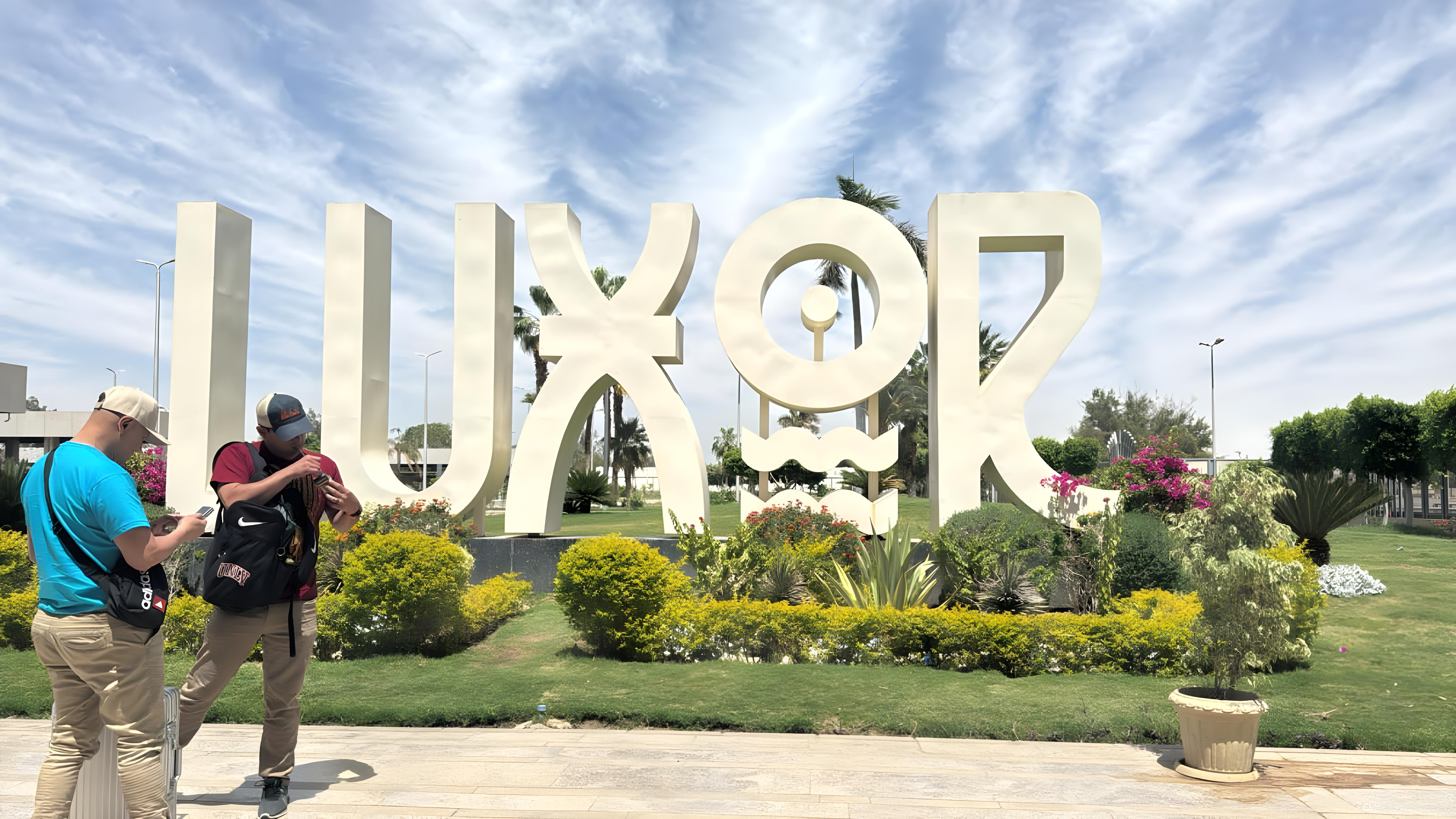
Reliable door-to-door transport between Luxor Airport and your accommodation with personalized meet-and-greet
ReservePrices from verified partners. Availability updates in real time at checkout. Free cancellation policies apply where shown.
The landmarks, rooms, and views travelers on this tour remember — all visible on a single visit.
A unique double temple dedicated to both Sobek and Horus, featuring intricate reliefs.
They complement each other; most visitors who do both call the private car transfer the more efficient choice for door-to-door transit, while the rail line offers a classic Egyptian transit experience. Booking an aswan to luxor taxi provides direct movement between your accommodations, whereas the train requires navigating station transfers.
| Feature | Top pick Private Taxi | Train |
|---|---|---|
Door-to-door convenience |
Provided | Station to station |
Flexibility to stop at temples |
Full autonomy | None |
Cost |
Higher (private hire) | Low (fixed fare) |
Comfort level |
High (climate-controlled) | Moderate (standard seating) |
Travel duration |
3.5–4 hours | 3–4.5 hours |
Availability |
24/7 on demand | Scheduled departures |
| See tickets → |
Verdict: Opt for the aswan to luxor taxi tours if you prioritize schedule control, or choose the train for a budget-conscious journey between these historic Nile landmarks when finalizing your aswan to luxor taxi tickets or rail options.
Choose your ticket, select your date, and reserve in under two minutes. Secure checkout handled by our verified partner.
Instant confirmation by email, with a mobile voucher you can save offline. No printing, no queuing at a collection desk.
Arrive at the entrance, show your voucher on your phone, and walk in. Most tickets include priority or skip-the-line access.
Practical details for your visit straight from our verified partners — hours, access, rules, and how to get there.
Arrival Hall
Look for driver with name sign
Direct door-to-door service between cities.
Conservative attire is recommended when stopping at religious sites between cities. Ensure shoulders and knees are covered to respect local cultural norms.
Standard luggage is permitted in the vehicle trunk. Security checkpoints on the desert highway may require brief inspections of personal bags.
Photography is permitted inside the vehicle, but avoid taking photos of military checkpoints or security personnel. Always ask for permission before photographing local individuals.
Vehicles generally do not have specialized ramps for wheelchairs. Please inform your provider of mobility needs to ensure the correct vehicle size is dispatched.
Mobile phone usage is permitted throughout the journey. Coverage may be intermittent in remote desert stretches between Aswan and Luxor.
Child seats are available upon request during the booking process. The desert transit can be long, so consider bringing entertainment for children.
Drivers can make stops at designated cafes or shops along the route. It is advisable to carry bottled water, especially during the summer heat.
Pets are generally not permitted unless explicitly arranged with the private transport operator in advance. Check specific company policies before booking.
The journey typically follows the desert road rather than the river road. Verify your pickup and drop-off coordinates to avoid confusion in crowded city centers.
Best time to go, insider tips, nearby landmarks, and the cancellation fine print — flip through to skim what matters to you.
How crowds, weather, and events shift across the year.
Expect high temperatures often exceeding 40C, making early morning departures essential for comfort.
Small details that turn a good visit into a great one.
Reserve your aswan to luxor taxi in advance to secure preferred vehicle types during peak seasons.
Non-bookable sights within a short walk — free to visit, easy to pair.
Double temple dedicated to Sobek and Horus along the route.
Flexible, no hidden fees.
Full refunds are available for cancellations made at least 24 hours prior to the scheduled departure time. This service incurs an entrance fee of 0 EGP.
Hand-picked options within walking distance — pick a district for vibe, or a specific hotel for convenience.
Five-star properties overlooking the Nile.
The 230-kilometer highway between Aswan and Luxor follows the eastern bank of the Nile through a corridor that has served as Egypt's primary southern artery for more than four millennia. Modern asphalt now traces the path Roman merchants and Ptolemaic officials once traveled by barge and camel, connecting the granite quarries of the First Cataract to the administrative capital at Waset. The route became a paved two-lane road in 1964, widened to four lanes in 2003, and today carries an average of 3,200 vehicles daily during peak season. Private car transfers along this route offer flexibility that rail and bus schedules cannot match. Departures operate around the clock, though most drivers recommend morning starts between seven and ten to avoid midday temperatures that regularly exceed 42°C in summer months. The journey takes three hours without stops, but the highway passes two of the Nile Valley's most significant Greco-Roman temple complexes. Edfu, 115 kilometers north of Aswan, preserves the best-surviving example of a Ptolemaic cult temple, its hypostyle hall and sanctuary intact beneath centuries of Nile silt that protected the structure until French archaeologists cleared it in the 1860s. Kom Ombo, 45 kilometers south of the halfway point, sits on a promontory above the river where crocodiles once basked on sandbanks and twin sanctuaries honored Sobek and Horus in equal measure. The desert highway itself runs parallel to sugarcane fields and date palm groves that line the river's floodplain, the Nile visible intermittently through gaps in the vegetation. Traffic thins beyond Edfu, and the road straightens into long sections where the Western Desert presses close against the cultivated strip. Trucks hauling phosphate from the Red Sea mines share the route with tour buses and private vehicles, and police checkpoints operate at provincial boundaries. The approach to Luxor descends through the limestone hills south of Armant, the Valley of the Kings visible to the west as the road enters the city limits near the Karnak temple precinct. Most transfers deposit passengers at Luxor hotels or the railway station, though some operators extend service to the airport or specific archaeological sites. Vehicle types range from sedans accommodating three passengers to minivans that seat eight, with air conditioning standard across all categories. Fixed pricing eliminates the negotiation common with metered taxis, and advance booking ensures availability during high-demand periods when Nile cruise schedules concentrate arrivals and departures into narrow windows.
"The 230-kilometer highway between Aswan and Luxor follows the eastern bank of the Nile through a corridor that has served as Egypt's primary southern artery for more than four millennia."
A step-by-step walkthrough of the visit — what you'll see, how long each stage takes, and the details that matter.
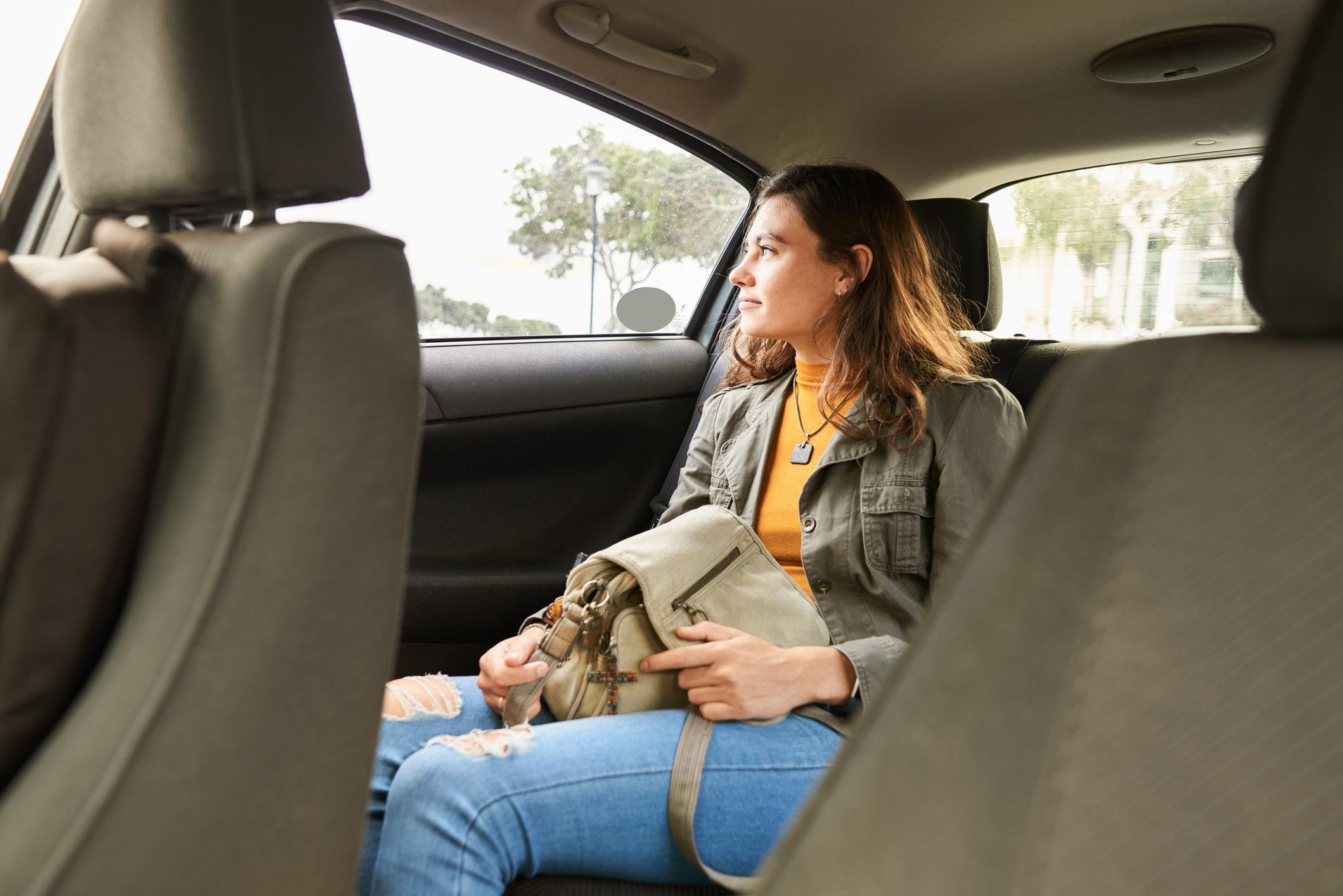
You settle into the back seat as your driver navigates Aswan's corniche, the High Dam receding in the rearview mirror. The city dissolves into agricultural land within ten minutes, date palms casting long shadows across the road in the early morning light. By the time you reach the provincial checkpoint south of Kom Ombo, the Nile has widened into a blue-green ribbon bordered by sugarcane fields. If you've chosen a transfer with temple stops, your driver pulls into the parking area at Kom Ombo after 45 minutes. You spend an hour walking the double temple's colonnaded courts, then continue north as the highway straightens and traffic thins. The halfway point passes unmarked except for a roadside café where trucks idle in the gravel lot. Edfu appears as a dense cluster of minarets and apartment blocks, the temple's massive pylon visible above the rooftops. The final stretch unfolds in long, straight segments. You pass through two more checkpoints, each requiring a brief stop for document review. The landscape grows greener as you approach Luxor, the cultivation strip widening where the Nile bends west. The Theban hills rise abruptly from the floodplain, their limestone cliffs golden in the late morning sun. Your driver exits the highway near the Karnak temple complex, navigating surface streets to your hotel entrance. Three hours after leaving Aswan, you step out into Luxor's heat, the taxi already turning back toward the highway.
The service operates 00:00–23:59 daily.
Yes, aswan to luxor taxi tours can be scheduled for your preferred departure time.
The best arrival window is 07:00–10:00 to avoid midday heat and heavy traffic.
Standard luggage is accepted, though large items should be cleared with your driver in advance.
Yes, these aswan to luxor taxi tours are family-friendly, and child seats can be requested.
Drivers typically accommodate stops for food or photos during the transit.
The drive usually takes around 3 hours and 30 minutes depending on traffic conditions.
Yes, you may use your phone or camera, but avoid photographing security checkpoints.
No, the service fee is 0 EGP and does not cover site entrance fees or tickets.